Bridal Mehndi Preparation Guide for Brides: How to Get the Best Henna Stain
The 2026 wedding season has arrived, bringing elegance, celebration and the timeless beauty of bridal mehndi. More than intricate henna patterns, mehndi is a cherished pre-wedding ritual filled with music, family and joyful anticipation. With over 30 years of experience, Neeta Sharma has guided countless brides across the Bay Area, Central Valley and nationwide through this special tradition. Thoughtful preparation ensures your bridal mehndi stain develops rich, deep color and that your experience feels relaxed and seamless. If you are planning your wedding, exploring professional bridal mehndi services early will help you secure your preferred date during the busy season.
When to Schedule Bridal Mehndi for the Darkest Stain
One of the most important elements of bridal mehndi preparation is timing.
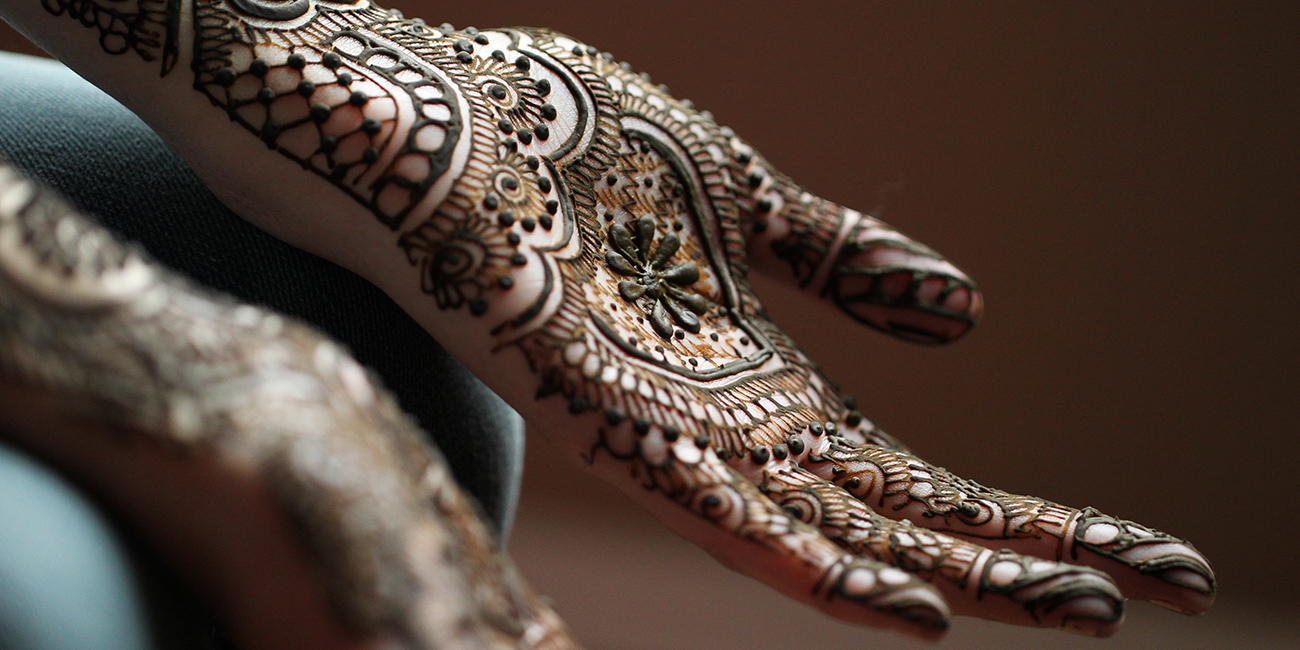
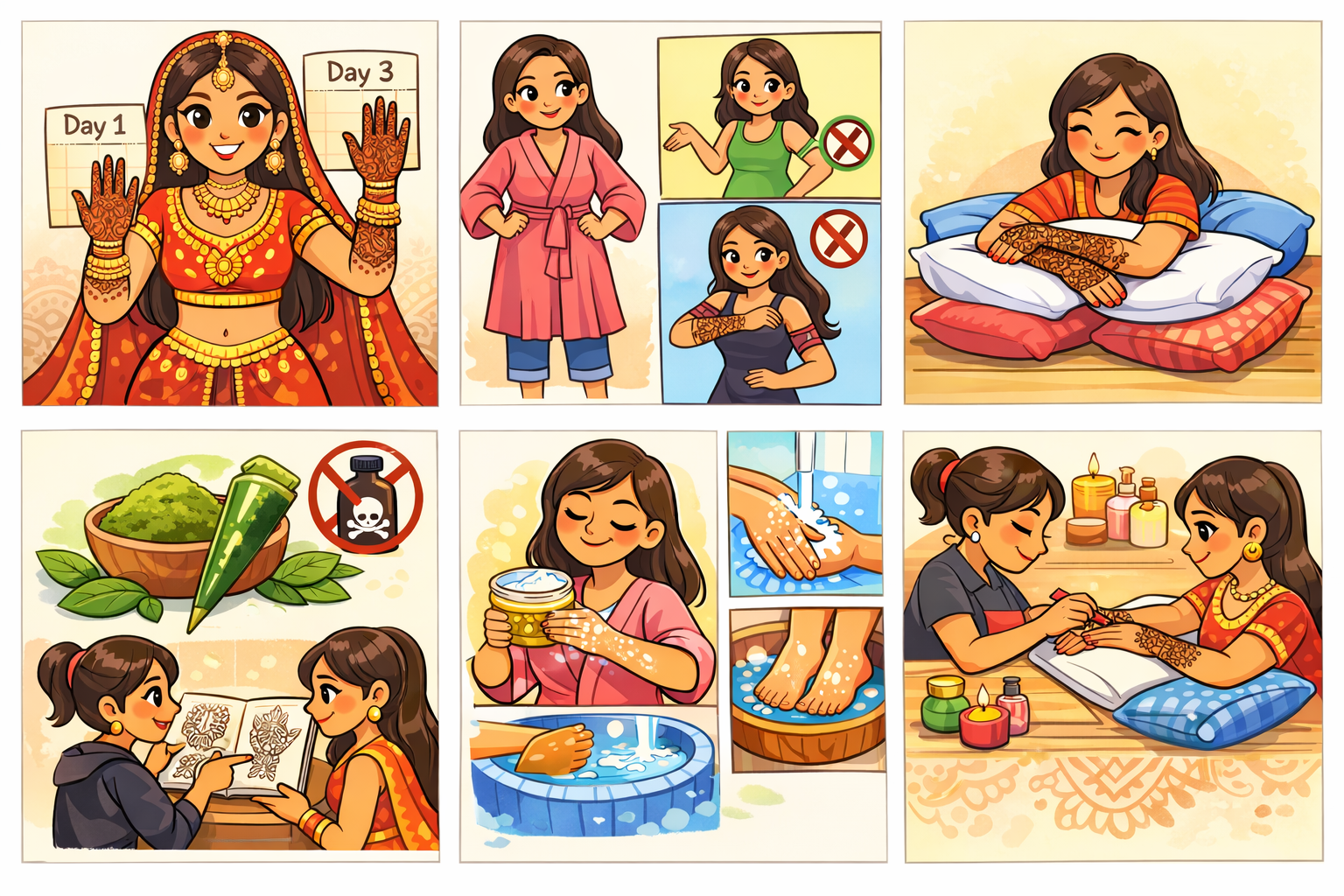
For the deepest and most luxurious henna stain, bridal mehndi should be applied two to three days before your wedding ceremony or main event. Once the paste is removed, the stain appears bright orange. Over the next 24 to 48 hours, it oxidizes to a rich reddish-brown tone.
Scheduling your mehndi at the ideal time ensures your stain reaches its fullest depth during your wedding celebrations.
What to Wear for Your Bridal Mehndi Appointment
Bridal mehndi designs are detailed and can take several hours depending on coverage. Comfort enhances both your experience and the precision of the final design.
Choose loose, comfortable outfits that allow easy access to your hands, arms and feet. Soft fabrics and relaxed silhouettes make it easier to sit calmly while intricate patterns are applied.
Many brides create a serene setting with close family, soft music and warm lighting, transforming the appointment into an intimate celebration.
You can explore examples of full hand and feet coverage in the bridal mehndi design gallery to better understand how much time your chosen style may require.
Creating a Comfortable Mehndi Setup
A refined setup elevates the experience.
Keep supportive pillows nearby so your arms can rest comfortably during the application. This helps reduce strain and allows your mehndi artist to create cleaner, more intricate detailing.
Many brides curate a serene environment with soft music, close family and warm lighting, transforming the session into an intimate pre-wedding celebration.
Choose Natural Henna for Safe, Long Lasting Results
For bridal mehndi, natural henna is essential.
High-quality natural henna is made from pure henna powder and essential oils. It produces deeper, longer-lasting stains and is the safest option for your skin. Products labeled black henna may contain additives that can cause irritation or allergic reactions and should always be avoided.
Brides throughout the Bay Area trust experienced artists who prioritize safe, traditional henna practices. You can read about their experiences in the bridal mehndi reviews.
How to Prepare Your Skin for a Darker Mehndi Stain
Proper skin preparation significantly improves stain depth.
Before your appointment:
Clean hands and feet thoroughly
Gently exfoliate to remove dead skin cells
Avoid lotions, oils or creams on the day of application
Clean, oil free skin allows the henna dye to penetrate more effectively, resulting in a darker and more even bridal mehndi stain.
For best results, keep the paste on for 6 to 8 hours and avoid water contact for at least 24 hours after removal. These simple aftercare steps make a noticeable difference in color richness.
Complete Beauty Treatments Before Mehndi
If you plan to schedule manicures, pedicures, waxing or other beauty treatments, complete them before your mehndi appointment.
Many treatments involve oils, lotions or water exposure, which can interfere with stain development. Finishing them in advance ensures optimal results and protects the integrity of your design.
Planning ahead allows your bridal mehndi to remain flawless throughout your wedding events.
Consult with Your Bridal Mehndi Artist in Advance
Customization is what makes bridal mehndi truly memorable.
Before your appointment, discuss:
Preferred design style
Coverage on hands and feet
Personal elements such as initials or symbolic motifs
Aftercare instructions for maximum stain depth
Sharing inspiration photos and discussing expectations allows your artist to create a design that reflects your wedding aesthetic and personal story.
If you are preparing for an upcoming wedding in the Bay Area or Central Valley, you can contact Neeta Sharma to reserve your date. Early booking is highly recommended during peak wedding season.
Begin Your Wedding Celebrations with Timeless Elegance
Bridal mehndi marks the beginning of your wedding celebrations. With thoughtful preparation, it becomes a calm and beautiful pause before the excitement of your big day.
By scheduling your appointment at the right time, preparing your skin properly and choosing an experienced artist, you ensure a rich, long-lasting henna stain that enhances every ceremony and photograph.
Serving brides across the Bay Area, Central Valley and destination weddings, Neeta Sharma continues to bring tradition, artistry and elegance to every bridal mehndi experience.
Neeta Sharma | Mehndi Designer
Serving Bay Area, Central Valley and Destination Weddings
Follow on Instagram, Facebook, Twitter, Pinterest, Tumblr and Snapchat
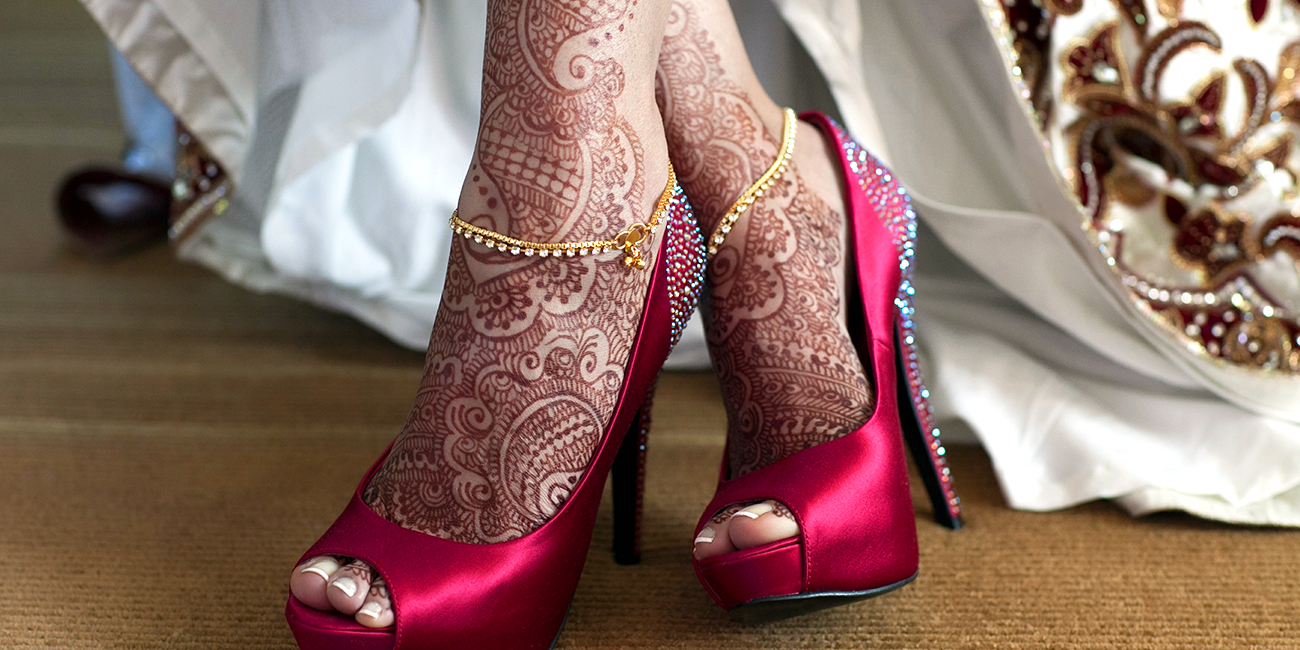
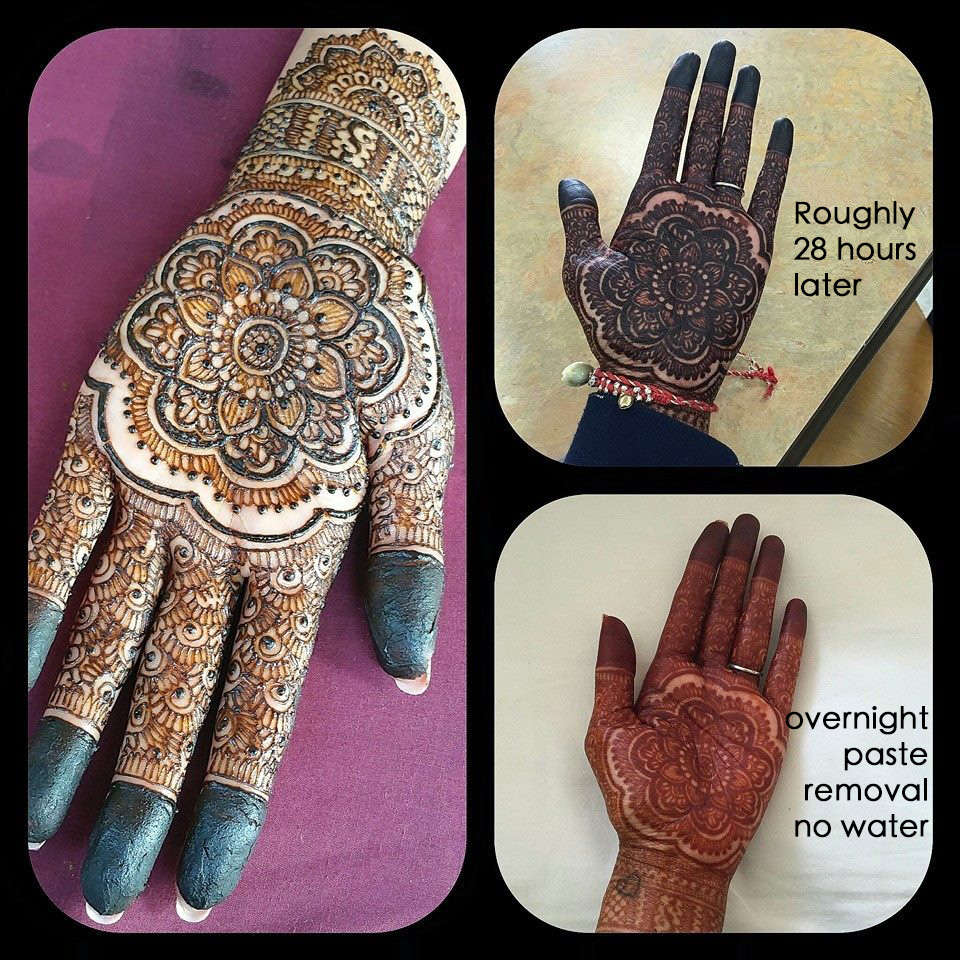 Stain progression of @jknijjar who was kind enough to send me pictures. The bottom right was taken after overnight paste removal and the top right is next day roughly around 28 hours after paste removal. This bride wanted a real dark color so she kept her mehendi overnight. She got her wish.